Buying Guide
How to Read a VIN Plate on a Trailer
The VIN plate for a trailer contains information directly related to registration, resale value, parts compatibility, and legal compliance on the road.
The VIN plate for a trailer contains information directly related to registration, resale value, parts compatibility, and legal compliance on the road.
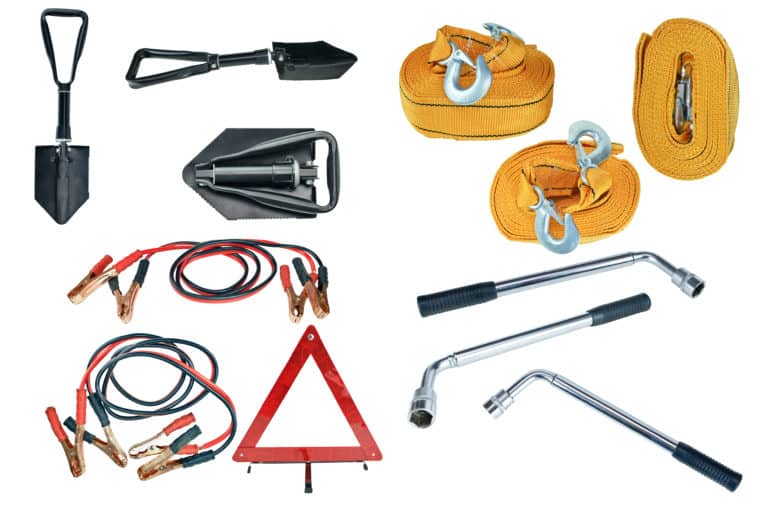
Trailer accessories for home towing include hitch locks, spare tire mounts, tie-down straps, tongue-mounted toolboxes, and protective covers.

If you own or operate a trailer in Maryland, towing laws and regulations apply whether you’re hauling mulch across town or moving heavy equipment down I-95.
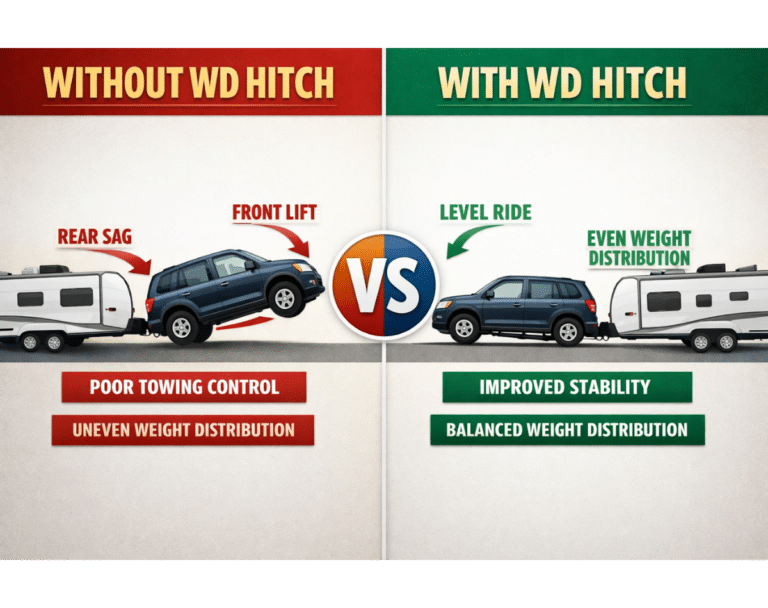
A weight distribution hitch is a specialized trailer hitch designed to evenly distribute a trailer’s tongue weight between the tow vehicle and the trailer. Rather than letting all the weight concentrate at the rear axle of your tow vehicle, a weight distribution hitch disperses it across all axles (front and rear) to keep your rig level and stable on the road.
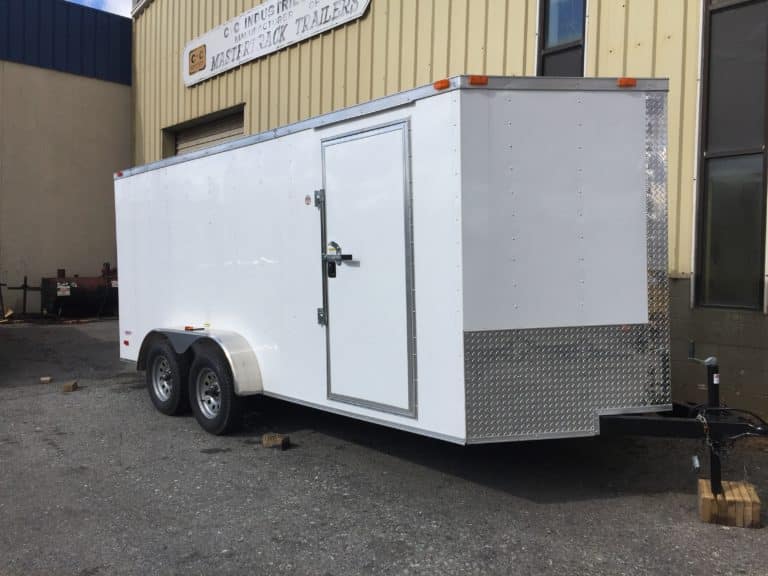
Titling a trailer in Maryland can be a simple process, as long as you have all of the right documents on hand. Here’s what you’ll need for a painless titling and registering experience in Maryland.
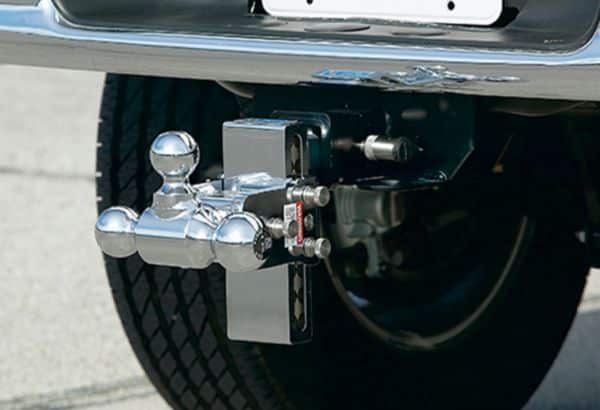
It’s important to know the different sizes of ball hitches and their towing capacities, the trailer factors that influence what size to choose, the types of trailers for which specific ball hitches are used, and towing vehicle factors.
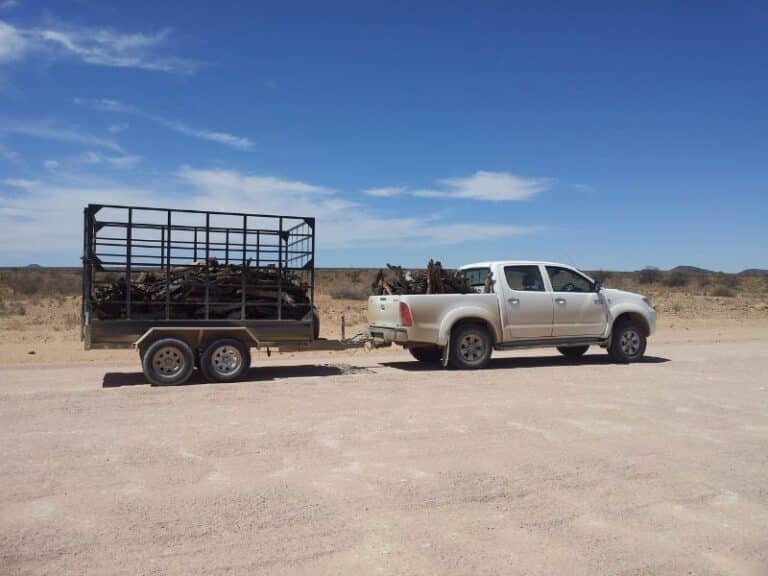
Safely loading and balancing a trailer remains key to preventing trailer sway that can become dangerous — or even fatal—at highway speeds.
Unsure what repairs your trailer might need for the safety inspection? Here’s our clear breakdown of the key trailer inspection requirements in Maryland you need to know.
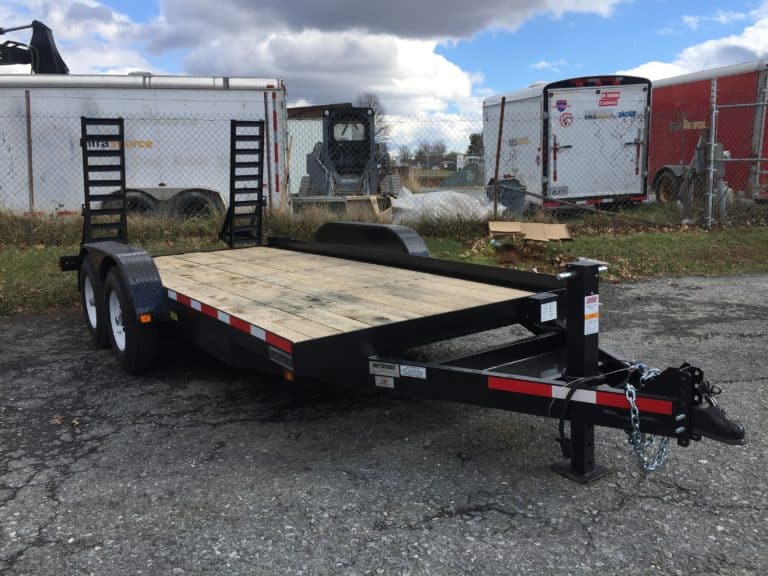
By adding racks, shelves, lights, locks, and more, you can make your trailer safer, more organized, and ready for every job.