How to Read a VIN Plate on a Trailer
The VIN plate is your trailer’s identification tag. It lists the manufacturer, a unique identification number, and the load ratings that determine how the trailer can legally and safely be used. It is printed on a small piece of aluminum or steel, and is often found on the side of the trailer. The VIN plate for a trailer contains information directly related to registration, resale value, parts compatibility, and legal compliance on the road.
Do you know where to find, and how to read, your VIN plate? The VIN is used for:
- Registration and Titling — most state motor vehicle agencies require the VIN to title and register a trailer.
- Safety — the plate’s weight ratings tell you how much the trailer, and each axle, can safely carry.
- Resale — a legible, matching VIN protects both buyer and seller when a trailer changes hands.
- Road Compliance — DOT inspections and roadside checks often start with a look at the VIN plate.
Your trailer VIN plate is used for titling a new trailer purchase, ordering replacement parts, or getting ready for a safety inspection. Knowing how to read your VIN plate helps you streamline trailer repairs and purchases for easy hauling.
At C&C Manufacturing, we’ve been building and servicing Mastertrack trailers since 1974, so we can help you locate, read, and understand your trailer VIN plate. Located in Gaithersburg, MD, you can stop by or give us a call if you have any questions about your trailer. Plus, we’re a Maryland trailer safety inspection station, supplying repair parts and more for new and used trailers. We’re the experts when it comes to trailers.
Where to Find the VIN Plate on Your Trailer
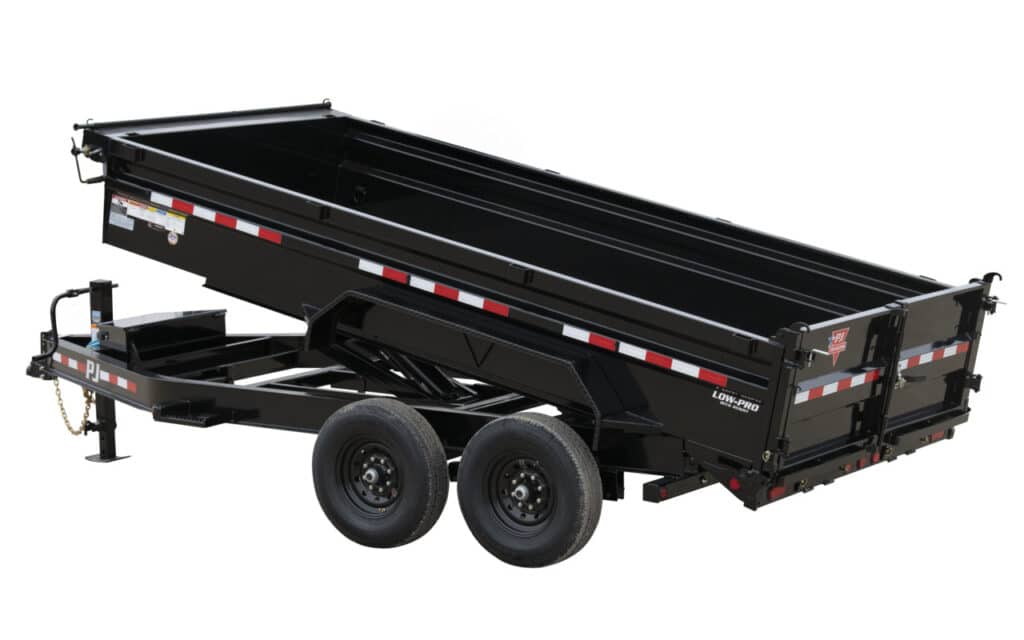
There is no universal placement standard for a trailer VIN plate. This varies based on the manufacturer and trailer type. Because of the heavy workload and tough conditions trailers are in, many manufacturers also stamp the VIN directly into the trailer frame itself, as a permanent backup in case the plate is lost, painted over, or corrodes. If you are unable to locate your trailer VIN plate, C&C Trailers in Gaithersburg can assist if you bring your trailer by during our store hours.
Common locations of a trailer VIN plate include:
- The trailer tongue or A-frame
- The front frame rail, usually on the driver’s side
- Near the hitch or coupler
- Inside the trailer, on a wall or door frame (common on enclosed trailers)
What is on a Trailer VIN Plate
There are two primary pieces of information on a trailer VIN plate: the 17-character VIN number and trailer load and rating specifications.
The VIN Number
Every trailer manufactured for road use is required to carry a 17-character VIN that is unique to it, and each section of the VIN number is related to additional information:
- First 3 characters of a VIN number are the World Manufacturer Identifier (WMI): The first three characters identify the manufacturer and country where the trailer was built
- Next 6 characters are the Vehicle Descriptor Section (VDS): Describes the trailer’s specs, including type, size, axle configuration, and other build features; how a manufacturer encodes this varies, so the same letter or number can mean something different from one brand to the next
- Last 8 characters are the Vehicle Identifier Section (VIS): Includes a check digit, the model year, the plant where it was built, and a production sequence number that functions like a serial number
Additional Specifications
In addition to the unique trailer VIN, the VIN plate also includes critical information about your trailer. Remember, trailer weight ratings aren’t just reference numbers, they’re critical for legal towing and safety compliance. Exceeding GVWR or GAWR can lead to blown tires, axle failure, and citations, regardless of how sturdy the trailer looks. This is why you must always consult your VIN plate before hauling anything on your trailer.
The trailer VIN plate may include:
- Manufacturer name
- VIN (the full 17-character number, listed again in full)
- GVWR (Gross Vehicle Weight Rating) — the maximum combined weight of the trailer and its cargo
- GAWR (Gross Axle Weight Rating) — the maximum weight each individual axle is rated to carry
- Tire specifications — size and recommended cold inflation pressure
- Build date — the month and year the trailer was manufactured
Why Reading Your VIN Plate Matters
- Registering your trailer — most state DMVs and motor vehicle administrations require the VIN to issue a title and registration.
- Verifying ownership — the VIN on the plate should match the VIN on your title or bill of sale.
- Ordering parts correctly — axles, tires, and brake components are often spec’d to a trailer’s exact build, which the VIN helps confirm.
- Staying within legal weight limits — GVWR and GAWR determine what tow vehicle, hitch class, and brake setup you need.
- Checking trailer history — a valid VIN lets you look up basic build information, which is especially useful when buying used.
Common VIN Plate Issues (and How to Handle Them)
Not every VIN plate is in perfect, easy-to-read condition. Here’s how to handle the most common problems.
Missing VIN Plate
Plates can go missing after an accident, a repaint, or simply years of road exposure. If yours isn’t where you expect it, check the frame for a stamped VIN before assuming it’s gone for good. If there’s truly no VIN anywhere on the trailer, contact the manufacturer or your dealer — they may be able to help confirm the trailer’s identity or arrange a replacement plate.
Damaged or Illegible Plate
Corrosion, sun fading, and physical damage can all make a VIN hard to read.
- Clean the area gently with mild soap and a soft cloth — avoid abrasive scrubbing, which can wear away the stamped or printed characters.
- Use a flashlight at an angle, or take a photo and zoom in, to bring out characters that are hard to see with the naked eye.
- If the VIN is genuinely unreadable and there’s no frame stamp to fall back on, contact your state’s DMV or motor vehicle administration about the process for an assigned or replacement VIN. In Maryland, for example, this goes through the MVA’s assigned VIN application, and the new plate is installed after an inspection.
Mismatched VIN
If the VIN on the plate doesn’t match the VIN on the title, treat it as a red flag — especially when buying a used trailer. A mismatch can point to a title error, a plate swapped from another trailer, or something more serious. Always verify the VIN on the plate, the frame stamp, and the title all agree before completing a purchase.
How to Protect Your VIN Plate
A few habits go a long way toward protecting your trailer’s paperwork and your investment:
- Photograph your VIN plate (and any frame stamp) and keep the photos with your title and registration records.
- Match the VIN to the title before you buy any used trailer — don’t skip this step, even if the deal looks good.
- Keep the plate accessible — avoid painting over it or blocking it with accessories, since inspectors and law enforcement will need to read it.
- Don’t overload your trailer — use the GVWR and GAWR printed on the plate as your actual limits, not a rough estimate.
Be Prepared to Get on the Road with C&C Trailers in Gaithersburg
The VIN plate is easy to overlook, but it’s one of the most useful tags on your entire trailer. It confirms who built the trailer, what it’s rated to carry, and whether the paperwork in your hand actually matches the equipment in your driveway — all details that matter for registration, resale, and staying legal on the road.
With decades of experience building Mastertrack trailers and servicing every type of trailer that rolls into our Gaithersburg shop, C&C Manufacturing knows this equipment inside and out. If you’re not sure what’s on your plate, need help sourcing the right parts, or want a trailer that’s properly rated for your load:
- Browse our trailer inventory
- Shop trailer parts
- Contact C&C Manufacturing for help identifying your VIN or choosing the right trailer for the job
Frequently Asked Questions
Do all trailers have a VIN? Trailers manufactured for road use are required to carry a 17-character VIN under federal regulations that took effect for trailers built in 1985 and later. Very old or homemade trailers may not have one, which is why states have a process for assigning a VIN when none exists.
Is a VIN the same as a serial number? Not exactly. The last section of the VIN (the VIS) functions similarly to a serial number, but the full VIN also encodes the manufacturer and build specs, so it carries more information than a serial number alone.
Can I register a trailer without a VIN? Generally, no. If a trailer’s VIN is missing or illegible, most state DMVs or motor vehicle administrations have a process to inspect the trailer and assign a new VIN, but this requires an application and, often, a physical inspection first.
How do I decode a VIN online? NHTSA’s free VIN decoder can pull basic build information for many vehicles and trailers. Some manufacturers also publish their own decoding charts for more model-specific detail.